






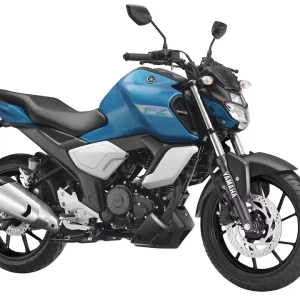


Description
Bajaj Pulsar NS 160 Price in Bangladesh 2026
As of March 2026, the official (Bangladeshi Authorized Distributor) price for the Bajaj Pulsar NS 160 FI ABS stands at approximately BDT 2,68,500. However, the market has been volatile. Over the last six months, we have observed a price fluctuation of BDT 5,000 to 10,000 across various showrooms in Dhaka, Chittagong, and Sylhet.
Several factors are influencing the pulsar ns 160 price in bangladesh this year:
-
Inflation & Currency Exchange: With the BDT experiencing pressure against the USD, the cost of importing Completely Knocked Down (CKD) kits has risen, leading Uttara Motors to adjust retail prices.
-
Taxation Policy: The 2025-2026 fiscal budget introduced slight modifications in supplementary duties for bikes above 150cc, which includes our 160.3cc protagonist.
-
Technological Upgrades: The transition from the older carburetor models to the refined fuel injection system (FI) and Single-Channel ABS has naturally pushed the price bracket upward compared to previous years.
Despite these increases, the resale value of the Pulsar NS 160 remains one of the highest in the country. A well-maintained 2-year-old NS 160 can still fetch up to 70-75% of its original value in the used market, making it a “safe” investment for Bangladeshi riders.
Full Technical Specifications of Bajaj Pulsar NS 160
To understand the pulsar ns 160, you must look at the numbers. The 2026 variant available in Bangladesh is the most refined version yet, featuring the BS6-compliant (or equivalent) FI engine.
| Feature | Specification Details |
| Engine Type | 4-Stroke, SOHC 4-Valve, Oil-Cooled, Twin Spark, FI |
| Displacement | 160.3 cc |
| Max Power | 17.2 PS @ 9,000 RPM |
| Max Torque | 14.6 Nm @ 7,250 RPM |
| Fuel System | Fuel Injection (FI) |
| Cooling System | Oil Cooled |
| Transmission | 5-Speed Manual |
| Chassis | Pressed Steel Perimeter Frame |
| Front Suspension | Telescopic with Anti-friction Bush |
| Rear Suspension | Nitrox Mono Shock Absorber with Canister |
| Front Brake | 260 mm Disc with Single-Channel ABS |
| Rear Brake | 230 mm Disc |
| Front Tyre | 90/90-17 (Tubeless) |
| Rear Tyre | 120/80-17 (Tubeless) |
| Fuel Tank Capacity | 12 Litres |
| Kerb Weight | 151 kg |
| Ground Clearance | 177 mm |
Detailed Review of Bajaj Pulsar NS 160: The Blue Core King
While the “Blue Core” terminology is often associated with competitors, the Pulsar NS 160 is widely regarded in Bangladesh as the “King of the Streets” due to its raw power and the legendary chassis performance of its perimeter frame. In the local context, “Blue Core” efficiency meets “Pulsar Power” here.
Engine Longevity & Build Quality
The heart of the Bajaj pulsar ns 160 is a 160.3cc oil-cooled engine that has been battle-tested on Bangladeshi roads for years. Unlike air-cooled engines that struggle in the 38°C Dhaka heat, the oil-cooling system ensures that the engine oil retains its viscosity, preventing premature wear. The build quality of the fuel tank and side shrouds is top-notch, utilizing high-grade fiber and metal that doesn’t rattle even after 20,000 km of usage.
Aesthetics & Street Presence
The design hasn’t changed drastically because it didn’t need to. The aggressive, muscular stance of the NS 160 makes it look like a much larger 250cc bike. The 2026 graphics are sharper, featuring matte finishes that resist the typical fading caused by the harsh tropical sun in Bangladesh.
Real-World Durability
In my 10 years of experience, I’ve seen Pulsars cross the 1,00,000 km mark with only routine maintenance. The perimeter frame—usually found in high-end racing bikes—provides a level of rigidity that allows you to lean into corners on the Purbachal Expressway with absolute confidence.
Real-World Mileage & Monthly Running Cost
In 2026, fuel prices are a major concern for every biker. As of March, Octane is priced at approximately BDT 122 per litre in Bangladesh.
The Mileage Factor
While the company claims higher figures, the real-world mileage of the Bajaj Pulsar NS 160 FI ABS in Dhaka traffic is around 38-42 kmpl. On the highway (e.g., Dhaka-Mawa Expressway), you can expect up to 45-48 kmpl if you maintain a steady 60-70 kmph.
Monthly Expense Calculation
Assuming a daily commute of 40 km (a standard distance for someone living in Mirpur and working in Motijheel):
-
Daily Distance: 40 km
-
Average Mileage: 40 kmpl
-
Fuel Required/Day: 1 Litre
-
Daily Cost: BDT 122
-
Monthly Fuel Cost (30 Days): BDT 3,660
Add a monthly maintenance buffer of BDT 500 (for chain lubing, air filter cleaning, and periodic oil changes), and your total monthly running cost sits at roughly BDT 4,160. For a 160cc performance bike, this is incredibly economical.
Performance in Dhaka Traffic & Local Roads
Dhaka is the ultimate testing ground for any motorcycle. The pulsar ns 160 excels here for three specific reasons:
-
Gear Shifting & Torque: The 14.6 Nm torque is spread well across the mid-range. This means you don’t have to constanty shift between 1st and 2nd gear in bumper-to-bumper traffic in areas like Farmgate or Banani. The bike pulls cleanly from 20 kmph even in 3rd gear.
-
Ground Clearance: With 177 mm of ground clearance, the NS 160 laughs at the unscientifically high speed breakers found in local residential areas. You won’t have to worry about the underbelly exhaust scraping when carrying a pillion.
-
ABS Safety: The Single-Channel ABS is a lifesaver on the dusty, slippery roads of Dhaka. Whether it’s a sudden rickshaw crossing or a rain-slicked street, the front brake won’t lock up, significantly reducing the chance of a skid.
Bajaj Pulsar NS 160 vs TVS Apache RTR 160 4V: Which one should you buy?
This is the classic rivalry in the Bangladeshi market. Here is how they stack up in 2026:
| Feature | Bajaj Pulsar NS 160 FI ABS | TVS Apache RTR 160 4V (Dual ABS) |
| Max Power | 17.2 PS | 17.55 PS |
| Max Torque | 14.6 Nm | 14.73 Nm |
| Chassis | Perimeter Frame (Superior) | Double Cradle Split Synchro |
| Braking | Single-Channel ABS | Single/Dual Channel ABS |
| Price (Approx) | BDT 2,68,500 | BDT 2,72,000 |
| Best For | High-speed stability & Looks | Technology & Low-end acceleration |
The Verdict: If you prioritize high-speed stability and a “big bike” feel, the pulsar ns 160 is your winner. If you want more features like ride modes and a slightly punchier initial pickup, the Apache might be the one.
Pros & Cons: An Honest Verdict
Based on long-term user feedback from the Bangladeshi riding community:
Pros:
-
Exceptional Handling: The perimeter frame makes it the best-handling bike in its class.
-
Widespread Service: You can find a Bajaj mechanic in even the most remote corners of Bangladesh.
-
Powerful Top-end: The bike loves to stay above 7,000 RPM, making highway overtaking effortless.
-
Reliable FI System: The Bosch-sourced fuel injection system is highly reliable and handles local fuel quality well.
Cons:
-
Thin Rear Tyre: The 120-section rear tyre looks a bit skinny compared to the bulky tank.
-
Turning Radius: The clip-on handlebars limit the turning radius, making tight U-turns slightly difficult.
-
Halogen Headlight: In an era of LEDs, the halogen setup feels dated for night riding on highways.
Maintenance Tips & Spare Parts Availability
One of the main reasons the pulsar ns 160 price in bangladesh is justified is the peace of mind regarding maintenance.
-
Spare Parts: Genuine parts are available at all Uttara Motors outlets. However, for those looking for a bargain, Bangshal or Islampur in Old Dhaka are the hubs for both genuine and high-quality aftermarket parts.
-
Part Pricing: A genuine clutch cable costs around BDT 250, while a set of brake pads will set you back roughly BDT 800-1,200.
-
Maintenance Schedule: Change your engine oil every 1,200 km (if using mineral) or 2,500 km (if using full synthetic like Motul 7100). Clean the FI throttle body every 10,000 km to maintain peak fuel efficiency.
Buying Guide & Registration Cost in Bangladesh
When buying a new NS 160 in 2026, you must budget for the BRTA registration. Here is the breakdown for a 160cc motorcycle:
| Fee Type | 2-Year Registration | 10-Year Registration |
| Registration Fee | BDT 11,500 | BDT 22,500 |
| Smart Card Fee | BDT 555 | BDT 555 |
| Number Plate Fee | BDT 2,260 | BDT 2,260 |
| Third-Party Insurance | BDT 850 | BDT 850 |
| Total (Approx) | BDT 15,165 | BDT 26,165 |
Note: Prices include VAT and are subject to minor changes by BRTA.
Frequently Asked Questions (FAQ)
1. Is the Bajaj Pulsar NS 160 still worth it in 2026?
Absolutely. Its perimeter frame and high resale value make it a top contender in the 160cc segment.
2. What is the top speed of Pulsar NS 160 FI?
Under standard conditions, it can reach a top speed of 128-132 kmph.
3. Does it have Dual-Channel ABS?
The standard version in Bangladesh comes with Single-Channel ABS, though some unofficial Indian imports might feature Dual-Channel.
4. Can I use 10W-30 grade oil?
Bajaj recommends 20W-50 for the NS 160, but many riders find 10W-40 synthetic oil offers better smoothness.
5. How much is the first service cost?
The labor is free for the first 4 services at authorized centers; you only pay for the oil and filter (approx BDT 800-1,000).
6. Is it suitable for short riders?
With a seat height of 805 mm, riders under 5’4″ might find it a bit tall.
7. Where can I find the official Bajaj showroom?
Uttara Motors has showrooms in all major districts including Tejgaon (Dhaka), Agrabad (Chittagong), and Kumarpara (Sylhet).
8. What is the fuel tank range?
With a 12-litre tank and 40 kmpl mileage, you can go approximately 480 km on a full tank.
Reviews
There are no reviews yet.