







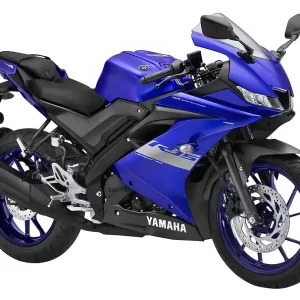


Description
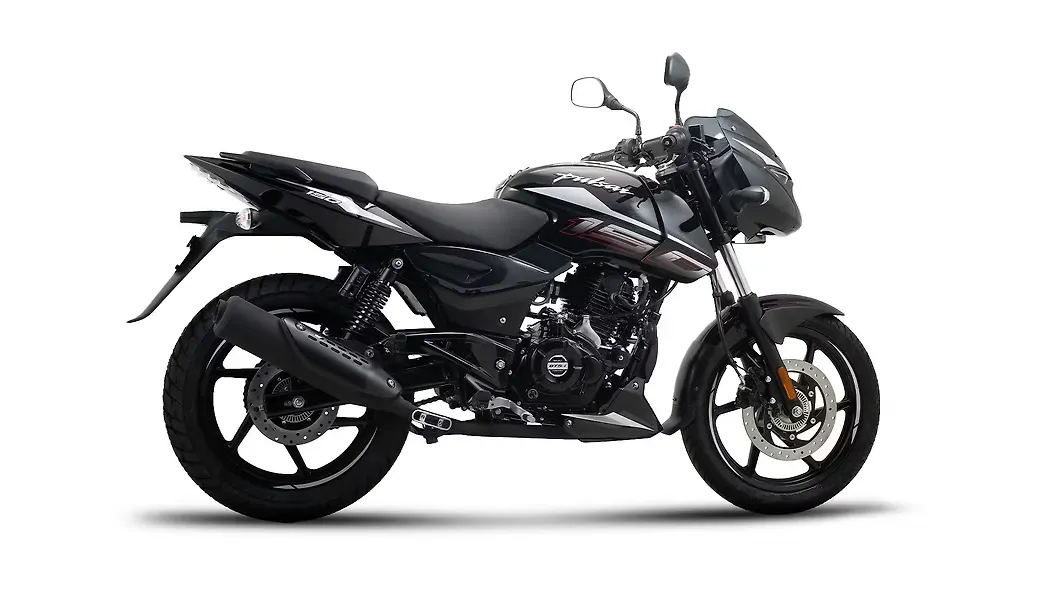
The Bajaj Pulsar 150 Twin Disc ABS price in Bangladesh has remained a focal point for commuters seeking the perfect blend of power and reliability. As of March 2026, this legendary machine continues to dominate the 150cc segment, offering a refined balance between heritage design and modern safety features. Whether you are navigating the chaotic grids of Dhaka or cruising the open highways of Sylhet, the pulsar 150 abs price in bangladesh offers a value proposition that few other brands can match. In this comprehensive guide, we dive deep into the technical prowess, real-world mileage, and long-term durability of the Pulsar 150 Twin Disc ABS to help you decide if it’s still the king of the streets in 2026.
Bajaj Pulsar 150 Twin Disc ABS Price In Bangladesh 2026
As of March 2026, the official (Bangladeshi Authorized Distributor) price for the Bajaj Pulsar 150 Twin Disc ABS stands at approximately 227,000 BDT.
Market dynamics in Bangladesh have seen significant shifts over the last year. Inflationary pressures and adjustments in import policies have caused a slight uptick in motorcycle pricing across all brands. However, Uttara Motors Limited—the sole distributor of Bajaj in Bangladesh—has managed to keep the Pulsar 150 competitive. While showroom availability remains high in major hubs like Dhaka, Chittagong, and Bogra, prices can fluctuate by 2,000 to 5,000 BDT depending on localized dealer offers, gift items (like helmets or engine oil), and current stock availability.
One reason the pulsar 150 abs price in bangladesh remains a “safe” investment is its incredible resale value. Even after 2-3 years of heavy usage, a well-maintained Pulsar 150 can fetch up to 65-75% of its original value in the used bike market, a feat rarely seen with its competitors.
Full Technical Specifications of Bajaj Pulsar 150 Twin Disc ABS
Understanding the hardware is crucial before making a purchase. The Pulsar 150 Twin Disc ABS is built on a robust chassis performance framework that has been perfected over two decades.
| Feature | Specification |
| Engine Type | 4-Stroke, 2-Valve, Twin Spark DTS-i |
| Displacement | 149.5 cc |
| Max Power | 13.80 BHP @ 8000 RPM |
| Max Torque | 13.40 NM @ 6000 RPM |
| Fuel System | Carburetor (Optimized for BD Fuel) |
| Cooling System | Air Cooled |
| Transmission | 5-Speed Manual |
| Front Brake | 260mm Disc with Single-Channel ABS |
| Rear Brake | 230mm Disc |
| Front Suspension | Telescopic with Anti-friction Bush |
| Rear Suspension | 5-way Adjustable Nitrox Shock Absorber |
| Tyres (Front/Rear) | 90/90-17 / 120/80-17 (Tubeless) |
| Fuel Tank Capacity | 15 Liters |
| Kerb Weight | 144 kg |
Detailed Review of Bajaj Pulsar 150 Twin Disc ABS: The Commuter King
While the industry has moved towards complex fuel injection systems (FI), the Bajaj Pulsar 150 Twin Disc ABS stubbornly, and perhaps rightly, clings to its refined carburetor setup. In the Bangladeshi context, this is a blessing. Our local mechanics are masters of this engine, and parts are available in every corner of the country.
Engine Longevity & Build Quality
The DTS-i (Digital Twin Spark-ignition) engine is the heart of the Pulsar’s longevity. By using two spark plugs, Bajaj ensures more efficient combustion, which leads to better power delivery and lower emissions. In the real world, this means the engine doesn’t feel stressed even after 50,000 km of riding, provided you follow a strict maintenance schedule. The build quality, especially the “Wolf-Eyed” headlamp assembly and the muscular fuel tank, feels premium and “manly”—a core marketing pillar for the Pulsar brand.
Aesthetics & Ergonomics
The Twin Disc variant features a split-seat design and a sporty grab rail, mimicking its elder sibling, the Pulsar 180. The 120-section rear tyre gives it a much-needed planted feel, making it look bulkier and more aggressive than the standard single-disc version. The matte and metallic finish options available in 2026 are highly resistant to the humid and dusty climate of Bangladesh.
Real-World Mileage & Monthly Running Cost
For the average Bangladeshi biker, mileage is the most critical factor after the initial price. Despite being a “sporty” commuter, the Pulsar 150 is surprisingly frugal.
-
City Mileage (Dhaka): 38–42 kmpl
-
Highway Mileage: 45–48 kmpl
-
Average Combined: 40 kmpl
2026 Monthly Cost Projection
As of March 2026, fuel prices (Octane/Petrol) in Bangladesh are approximately 135 BDT per liter.
If you commute 40 km per day (roughly 1,200 km per month):
-
Fuel Needed: $1200 / 40 = 30$ Liters.
-
Monthly Fuel Cost: $30 \times 135 = 4,050$ BDT.
-
Basic Maintenance: 1,000 BDT (Engine oil and minor adjustments).
-
Total Monthly Running Cost: 5,050 BDT.
This makes the pulsar 150 abs price in bangladesh very attractive for middle-class professionals and students who need a reliable daily driver without breaking the bank.
Performance in Dhaka Traffic & Local Roads
Riding in Dhaka is an endurance test for both the rider and the machine. The Pulsar 150 Twin Disc ABS excels here due to its chassis performance and low-end torque.
-
Bumper-to-Bumper Traffic: The clutch is light enough to prevent hand fatigue during the 2-hour jams at Mohakhali or Uttara. The 5-speed gearbox is crisp, though finding neutral can occasionally be tricky when the engine is hot.
-
Ground Clearance: With 165mm of clearance, the Pulsar 150 handles the notorious, unstandardized speed breakers of local residential areas with ease. You rarely have to worry about the underbelly scraping.
-
ABS & Braking Safety: The single-channel ABS is a lifesaver on the slippery, dust-covered roads of Dhaka. During sudden braking (common when a rickshaw suddenly cuts in), the ABS prevents the front wheel from locking up, maintaining stability.
Pulsar 150 Twin Disc ABS vs Competitor: Which one should you buy?
The primary rival in 2026 remains the TVS Apache RTR 160 4V. Here is how they stack up:
| Feature | Bajaj Pulsar 150 TD ABS | TVS Apache RTR 160 4V |
| Engine | 149.5cc (Carb) | 159.7cc (FI/Carb) |
| BHP | 13.8 BHP | 17.55 BHP |
| Torque | 13.4 NM | 14.73 NM |
| Braking | Single ABS | Single/Dual ABS |
| Estimated Price | 227,000 BDT | 250,000+ BDT |
| Best For | Comfort & Longevity | Raw Speed & Tech |
Verdict: If you want a “fill it and forget it” bike with maximum comfort for a pillion (like your spouse or parent), the Pulsar is the winner. If you want raw acceleration and modern tech, the Apache takes the lead.
Pros & Cons: An Honest Verdict
Pros
-
Legendary Reliability: The engine is bulletproof if maintained well.
-
Highest Resale Value: Easiest bike to sell in Bangladesh.
-
Spare Parts: Available even in rural village markets.
-
Comfort: The upright seating position is perfect for long hours.
Cons
-
Dated Design: The look hasn’t changed significantly in years.
-
Weight: At 144 kg, it feels slightly heavy compared to newer naked sports bikes.
-
No LED Headlight: Still uses a halogen bulb in an era of LEDs.
Maintenance Tips & Spare Parts Availability
Maintaining a Pulsar 150 is arguably the cheapest in the 150cc segment.
-
Engine Oil: Always use the recommended 20W-50 grade. Brands like Motul or Bajaj’s own DTS-i oil work best. Change every 1,000–1,200 km.
-
Chain Maintenance: The Twin Disc variant uses a 520-seal chain. Clean and lube it every 500 km to prevent premature wear.
-
Spare Parts: You don’t need to visit official centers for everything. Markets like Islampur or Bangshal in Old Dhaka offer genuine Bajaj parts at wholesale rates.
-
Brake Pads: 400–600 BDT
-
Air Filter: 250–350 BDT
-
Clutch Cable: 150–200 BDT
-
Buying Guide & Registration Cost in Bangladesh
Buying the bike is just the first step. You must account for the BRTA (Bangladesh Road Transport Authority) fees.
| Item | 2-Year Registration (Estimated) | 10-Year Registration (Estimated) |
| Registration Fee | 12,073 BDT | 21,273 BDT |
| Digital Plate & Card | Included | Included |
| Insurance | 600–800 BDT | 600–800 BDT (Renewable) |
| Processing Fees | 1,000–2,000 BDT | 1,000–2,000 BDT |
| Total Cost | ~14,500 BDT | ~24,000 BDT |
Note: These prices are subject to change based on the latest BRTA circulars in 2026.
Frequently Asked Questions (FAQ)
1. Is Pulsar 150 Twin Disc ABS available in FI version?
Currently, the 150cc Pulsar in Bangladesh mainly uses a carburetor system to keep costs down, though some premium Pulsar models like the N160 come with a fuel injection system.
2. What is the top speed of Pulsar 150 Twin Disc ABS?
Under standard conditions, it can reach a top speed of approximately 115–120 km/h.
3. Does the Pulsar 150 have a kick-start?
The Twin Disc ABS variant usually comes with an electric start only. However, the battery management is excellent.
4. Why is the pulsar 150 abs price in bangladesh higher than the single disc?
The price difference covers the addition of a rear disc brake, a wider rear tyre, split seats, and the Single-Channel ABS module.
5. How often should I service my Pulsar?
For the first 2,000 km, follow the manual (usually 3 free services). After that, a general check-up every 2,500 km is recommended.
6. Is it suitable for long-distance touring?
Yes! Many riders in Bangladesh use the Pulsar 150 for cross-country trips due to its stable chassis performance and comfortable seat.
7. Which engine oil is best for Pulsar 150 in 2026?
Bajaj DTS-i 10,000 or Motul 3100 (20W-50) are the most popular and effective choices.
8. Can I buy this bike with an EMI?
Yes, most dealers offer EMI facilities through banks like City Bank, EBL, or BRAC Bank, often with a 20-30% down payment.
Reviews
There are no reviews yet.